Professional Restoration Services
Expert Help for Mold, Water, Fire & More in the North Bay
Understanding Common Property Restoration Needs
NBRA members are IICRC-certified experts ready to handle emergencies and planned remediation in Santa Rosa, Sonoma County, and throughout the North Bay. From toxic mold like Stachybotrys to Category 3 water damage and wildfire smoke residue, our professionals follow industry standards—including psychrometry for efficient drying.
Mold Remediation & Testing
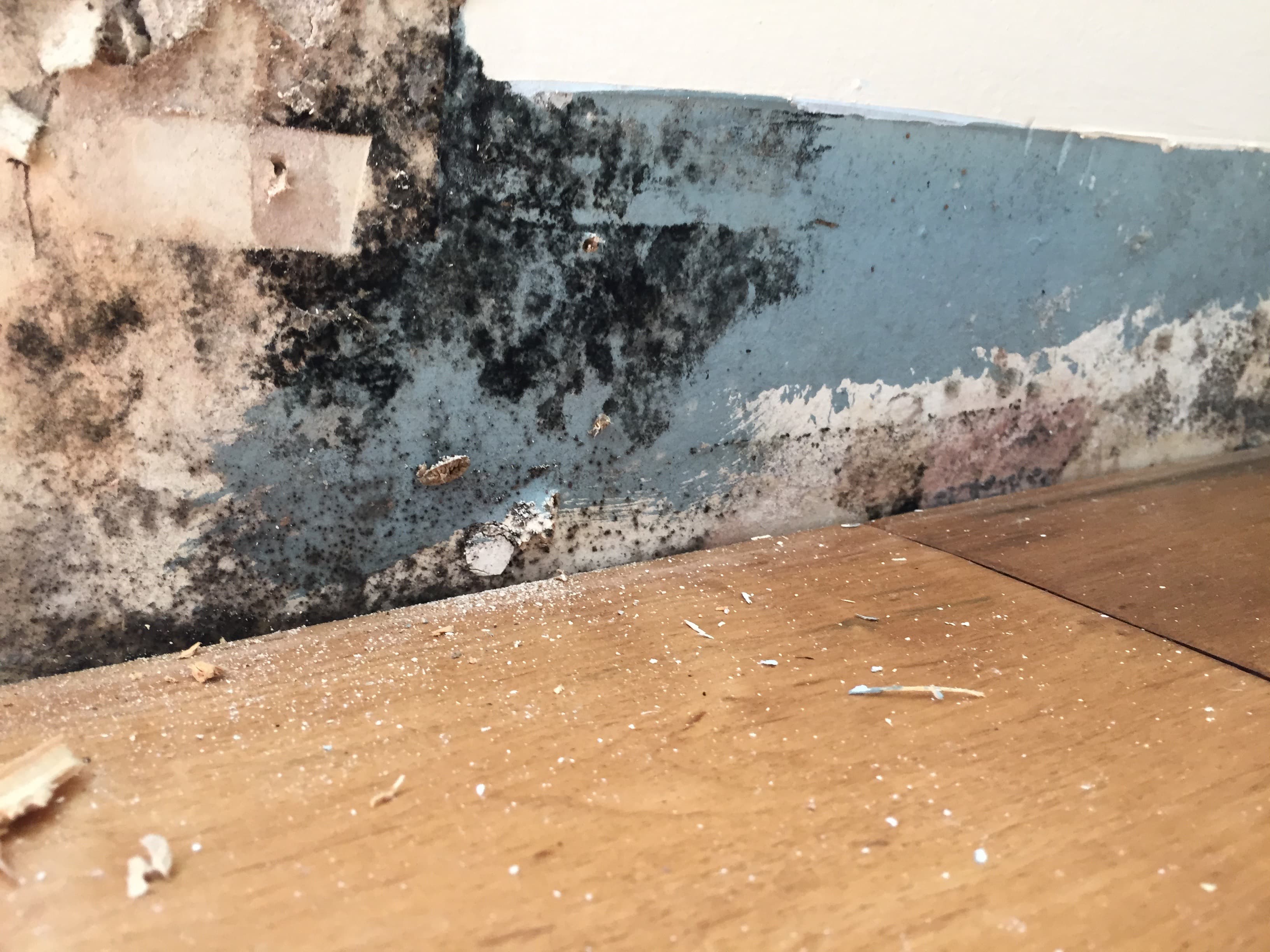
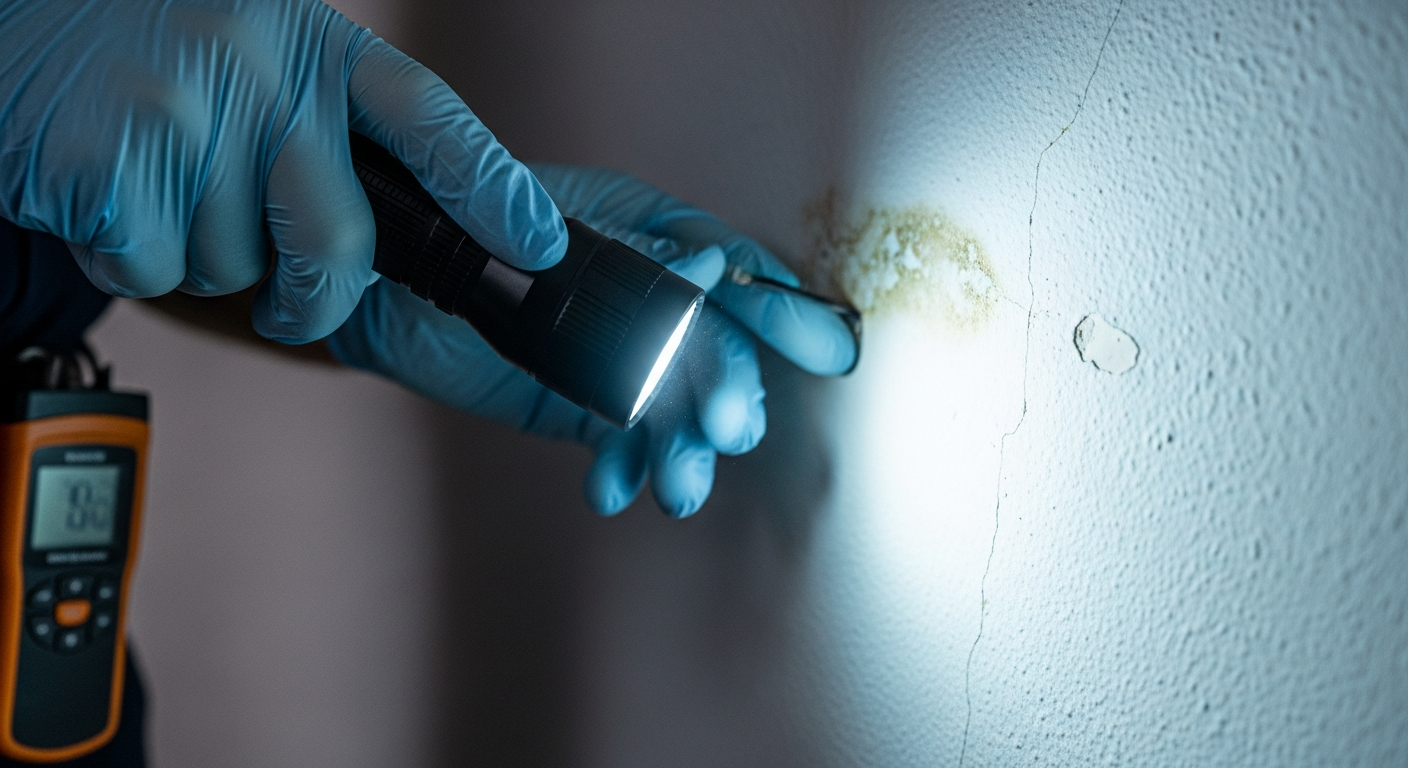
Certified removal of hazardous molds including Stachybotrys (black mold), Aspergillus, and Penicillium. Air quality testing, containment, and safe remediation to prevent health risks.
- Black Mold (Stachybotrys) Removal
- Aspergillus & Penicillium Treatment
- Air Quality Testing
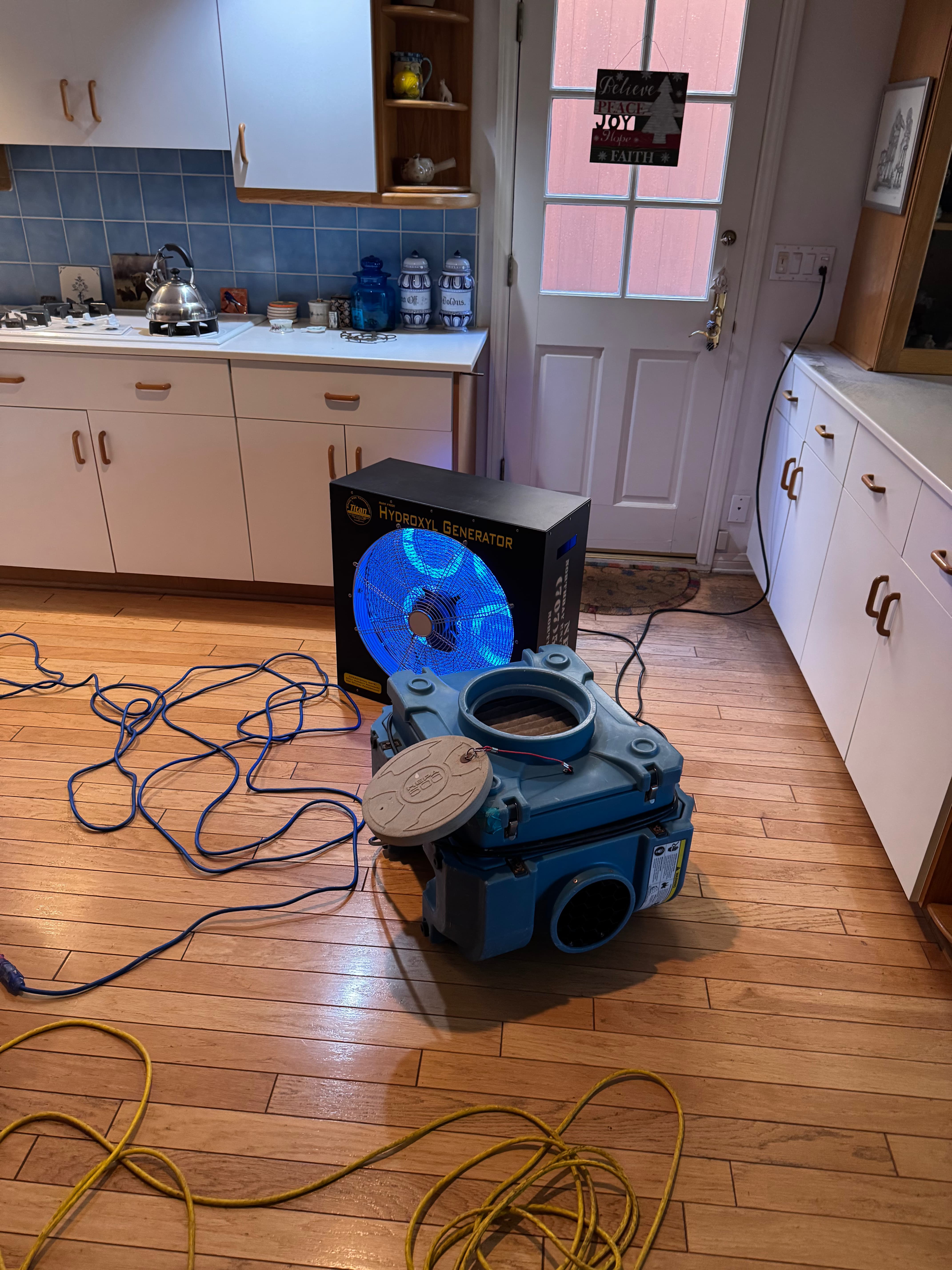
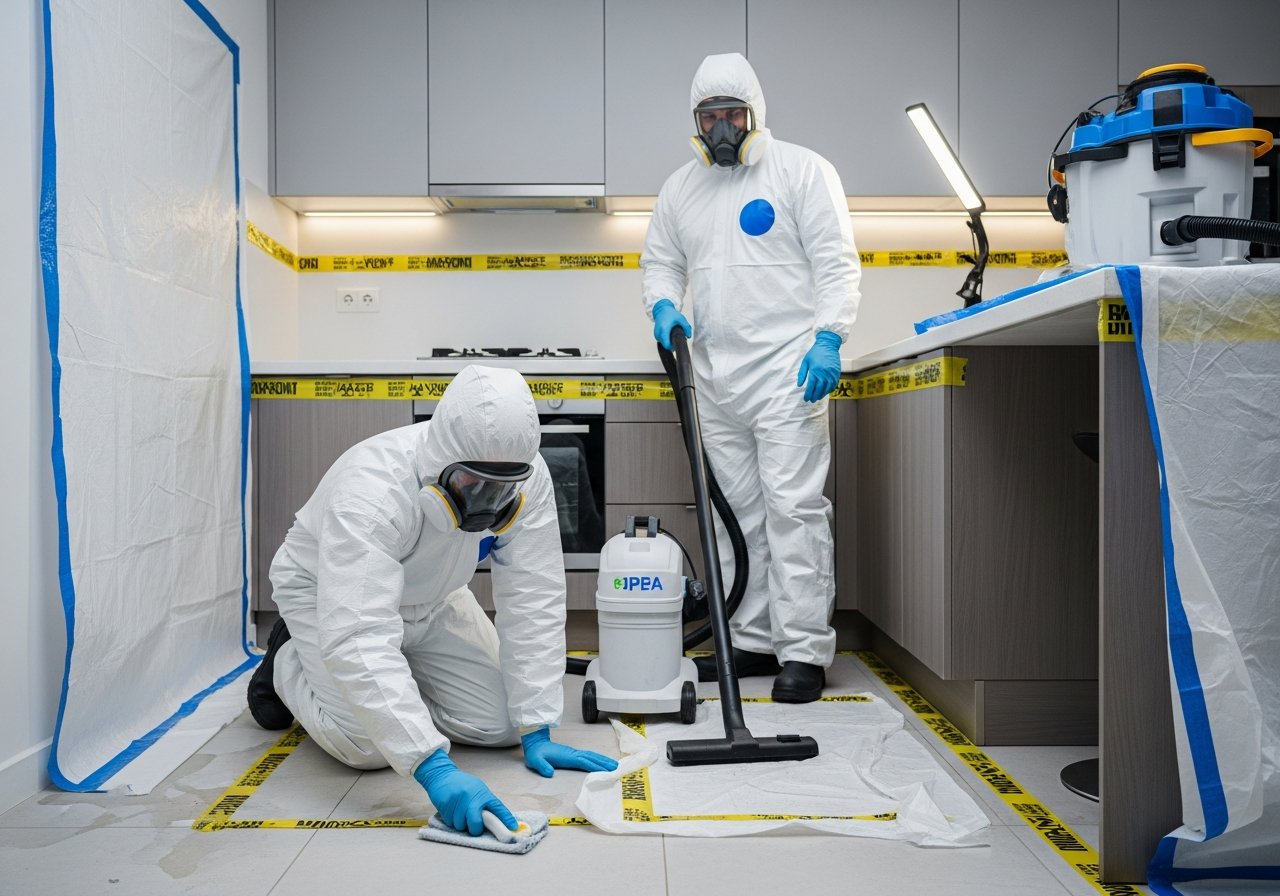
- Containment & HEPA Filtration
- Moisture Source Remediation

Water Damage Restoration
24/7 response for floods, leaks, and sewer backups. Advanced structural drying (WRT/ASD certified), moisture mapping, and dehumidification to prevent secondary damage.
- 24/7 Emergency Extraction
- Structural Drying (ASD Certified)
- Category 1-3 Water Handling
- Psychrometry-Based Monitoring
- Mold Prevention
Common Mold Types in North Bay Homes
Stachybotrys
"Black mold" - toxic species requiring professional remediation. Often found after water damage in damp areas.
Aspergillus
Common indoor mold that can cause respiratory issues. Found in HVAC systems, dust, and damp materials.
Penicillium
Fast-spreading mold often found on water-damaged materials. Produces allergens and can spread quickly.
All mold remediation should be performed by IICRC-certified professionals with AMRT training.
Water Damage Categories
Category 1
Clean water from sanitary sources (broken pipes, supply lines). Least contaminated but can escalate.
Category 2
"Gray water" with contaminants (dishwashers, washing machines). Can cause illness if ingested.
Category 3
"Black water" with severe contamination (sewage, flooding). Requires specialized cleanup and PPE.
How Professional Restoration Works
Professional restoration is governed by published industry standards. Water damage work follows the ANSI/IICRC S500 Standard, which defines how technicians classify a loss — Category 1 clean water, Category 2 significantly contaminated water, or Category 3 grossly contaminated water such as sewage or floodwater — and how the structure must be dried, monitored, and documented. Mold remediation follows the ANSI/IICRC S520 Standard, which sets out containment, air filtration, removal, and post-remediation verification procedures.
A typical project begins with an inspection and moisture mapping, followed by emergency mitigation: water extraction, controlled demolition of unsalvageable materials, and setup of drying equipment. Technicians then monitor drying daily with moisture meters and psychrometric readings until the structure reaches its documented drying goals. For mold and fire losses, work areas are contained under negative air pressure and cleaned with HEPA filtration so contamination does not spread to the rest of the home.
Timing matters. Mold growth can begin within 24 to 72 hours of a water intrusion, and smoke residues become progressively harder to remove the longer they sit. That is why NBRA member companies across Santa Rosa, Petaluma, Napa, Novato, and the greater North Bay offer rapid emergency response — and why hiring an IICRC-certified firm from the start is usually faster and less expensive than fixing a botched job later.
Every NBRA Premium Restoration member is IICRC-certified, licensed by the California CSLB, and insured. If you are unsure which service you need, contact us and we will point you in the right direction.